


Click here to listen to the blog post
Unlock the full potential of your CRM by integrating intelligent workflow automation that drives efficiency, accuracy, and growth for modern SaaS businesses.
Transforming CRM Efficiency Through Intelligent Automation
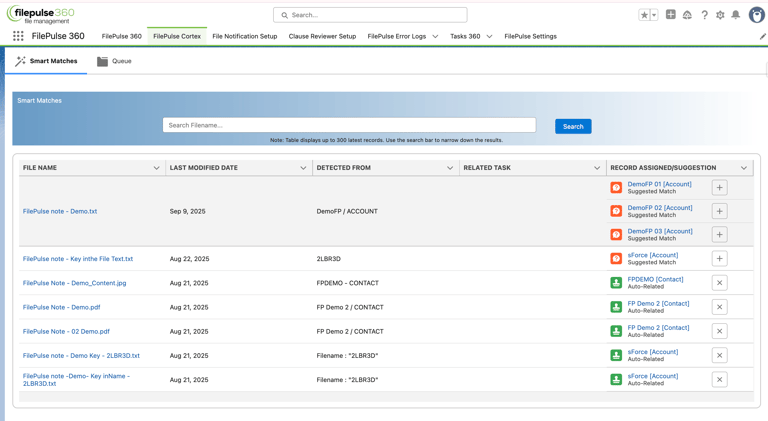
The evolving landscape of CRM demands solutions that not only capture data efficiently but also minimize the manual effort required from users. Intelligent workflow automation bridges this gap by reducing the 'CRM tax'—the hidden cost of administrative overhead and user resistance to manual data entry. Modern automation tools, like Appluent's FilePulse, leverage technologies such as OCR to transform handwritten notes into structured, reportable data directly within Salesforce, allowing teams to maintain their natural workflow while ensuring data integrity and completeness.
By automating repetitive and error-prone processes, organizations empower their teams to focus on high-value activities, such as selling, customer engagement, and strategic decision-making. This transformation leads to greater CRM adoption, higher data quality, and a measurable increase in operational efficiency.
Key Features of Workflow Automation for SaaS Teams
Effective workflow automation for SaaS teams incorporates features that address both technical requirements and user experience. Key capabilities include seamless integration of handwriting recognition, contextual data association with Salesforce records, real-time data transcription, and automatic workflow triggers based on captured input. These features ensure that critical information—whether captured digitally or on paper—flows effortlessly into your CRM, enabling accurate reporting and actionable insights.
Advanced automation platforms also offer customizable templates, approval routing, and robust compliance controls to meet industry regulations. With these capabilities, SaaS teams can reduce manual intervention, eliminate data silos, and enforce standardized processes, all while delivering a user-friendly experience that drives adoption across sales, marketing, and operations.
Accelerating Sales and Marketing Collaboration with Automated Processes
Collaboration between sales and marketing is foundational to revenue growth, yet data silos and manual workflows often impede alignment. Automated processes break down these barriers by centralizing information and streamlining handoffs. For example, when handwritten meeting notes or field observations are captured and transcribed into Salesforce, both sales and marketing teams gain immediate access to critical insights without duplication of effort.
Automation ensures that follow-ups, lead qualification, and campaign tracking are triggered in real-time, fostering a culture of accountability and responsiveness. This enhanced visibility not only accelerates the sales cycle but also enables more personalized and effective marketing outreach, aligning both teams around shared goals and measurable outcomes.
Integrating Third-Party Tools and APIs for a Unified CRM Experience
A unified CRM experience relies on the seamless integration of third-party tools, APIs, and AppExchange solutions. By connecting platforms such as document generation tools, e-signature solutions, and marketing automation systems directly to Salesforce, organizations eliminate fragmented workflows and ensure a single source of truth for all customer interactions.
Custom API development and robust integration frameworks enable organizations to extend Salesforce functionality, automate complex business processes, and synchronize data across disparate systems. These integrations enhance user productivity, improve data consistency, and maximize the value of existing technology investments, delivering a connected experience that drives business performance.
Best Practices for Implementing and Scaling CRM Workflow Automation
To successfully implement and scale workflow automation, organizations should begin with a thorough assessment of current processes and pain points. Engaging stakeholders from sales, marketing, and IT ensures that automation initiatives align with business objectives and address real user challenges. Prioritize high-impact use cases, such as automated data capture from handwritten notes, and roll out solutions incrementally to drive adoption and minimize disruption.
Continuous improvement is key—monitor performance metrics, gather user feedback, and refine workflows to address evolving business needs. Invest in comprehensive training and change management to empower users and foster a culture of innovation. By following these best practices, organizations can realize the full benefits of CRM automation: enhanced efficiency, reduced administrative burden, improved data quality, and accelerated business growth.